


What is Holistic Interior Design?
An Opening Ritual
Before we begin, take a breath.
Whether you are reading this at your desk, in a café, or between meetings, I invite you to pause for just a moment. Notice the space around you. The light. The sounds. The way your body feels where you are sitting.
This simple act of noticing is where holistic interior design begins.
Designing for More Than How a Space Looks
Hospitality spaces shape our experiences in ways we often feel before we can name. A restaurant where conversations linger. A hotel lobby that immediately puts you at ease. A café that feels like a second home.
These responses are not accidental.
Holistic interior design is an approach that considers the interconnectedness of mind, body, and spirit when shaping environments. It moves beyond aesthetics and asks a deeper question how does this space support the people within it?
Especially in hospitality, design is not just visual. It is experiential. It influences mood, behavior, connection, and memory.
Why Holistic Design Matters in Hospitality
Restaurants, cafés, hotels, spas, and gathering places are inherently relational. They hold space for human connection, restoration, and ritual.
When design focuses only on trends or surface level beauty, something essential is often lost. Spaces may look beautiful yet feel overstimulating, rushed, or forgettable.
Holistic interior design addresses this by creating environments that support wellbeing on multiple levels.
Physically, it prioritizes comfort, air quality, acoustics, and lighting that soothes rather than overwhelms. Emotionally, it considers layout, color, and sensory balance to encourage ease. On a deeper level, it creates spaces that feel grounded, welcoming, and human.
When these elements are aligned, guests stay longer, employees feel supported, and spaces naturally foster community.
The Principles That Guide My Work
While every project is unique, a few core principles consistently guide holistic interior design.
Wholeness and balance
A space feels best when its elements work together rather than compete. Materials, furnishings, lighting, and layout are in conversation with one another, creating harmony and clarity.
Connection to nature
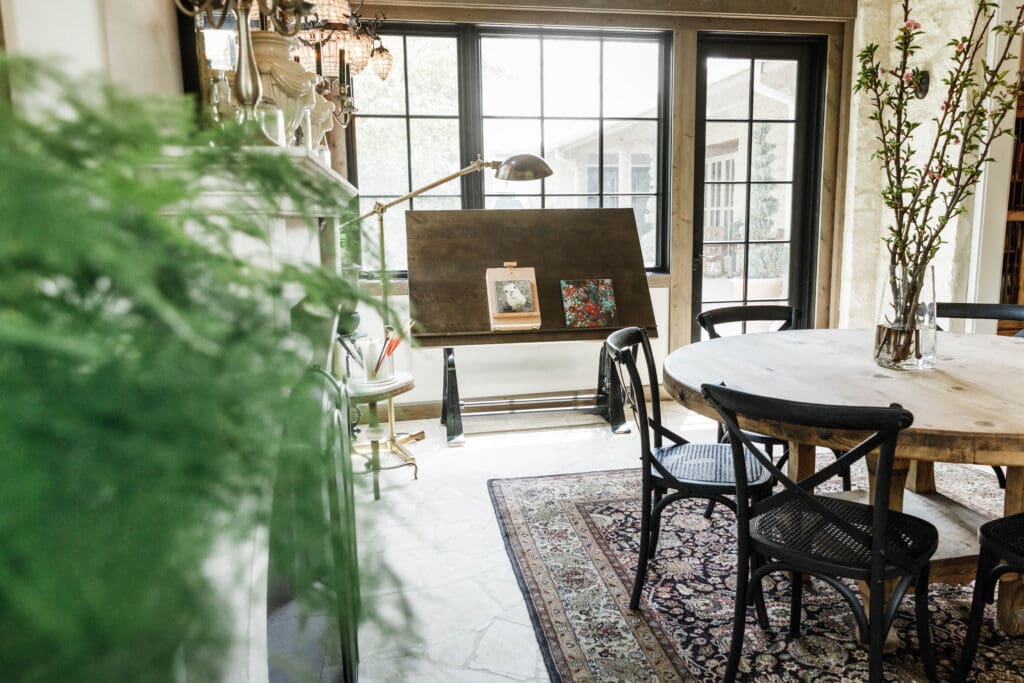
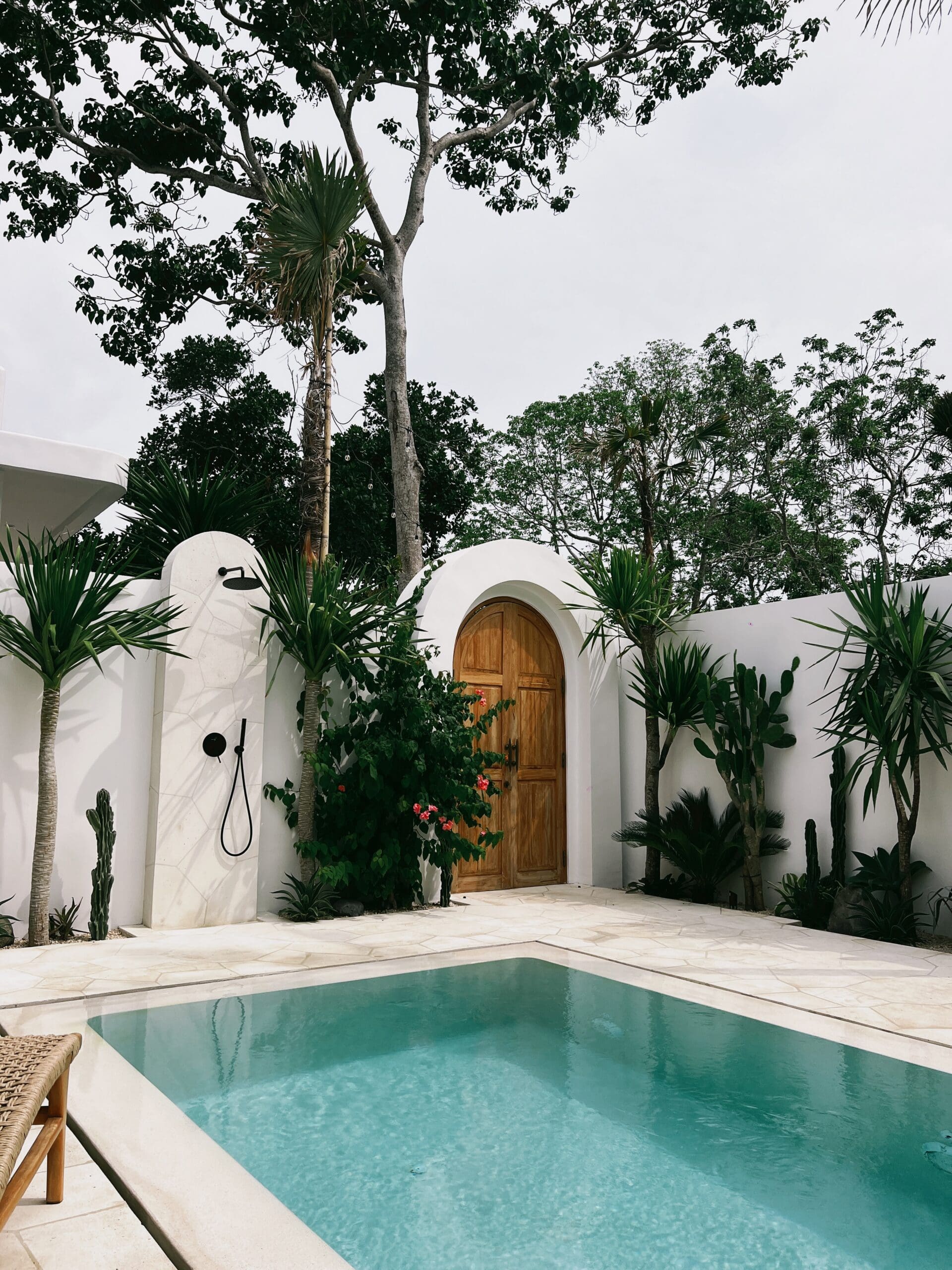
Natural light, living plants, and organic materials help regulate the nervous system. These elements ground a space and subtly invite people to slow down.
Mindfulness and intention
Every space has a purpose. Whether it is meant for gathering, restoration, or creativity, the design should clearly support that intention.
Mindful material selection
What we bring into a space matters. Choosing sustainable, non toxic, and durable materials supports both human health and long term longevity.
Energetic flow
Movement through a space should feel intuitive. When circulation and transitions are clear, spaces feel calm even when they are full.
The Spaces We Remember
Most of us can recall spaces where we felt immediately at ease. A softly lit café. A hotel room that felt restorative. A spa or retreat where time seemed to slow.
These spaces did not demand attention. They allowed for presence.
Holistic interior design is less about doing more and more about listening first.
Beginning Where You Are
You do not need a full redesign to begin working holistically. Start small. Clear what feels heavy. Warm the lighting. Introduce a healthy, living element and care for it well. Create areas with a clear purpose and remove distractions that pull attention away from connection.
Notice how people respond.
Spaces are always communicating. When we slow down enough to listen, they reveal what they need.
For a deeper exploration of this philosophy and how it applies specifically to hospitality environments, I expand on these ideas in Episode 002 of the Holistic Hospitality Design Podcast. The episode is there if you feel called to listen.
A Closing Reflection
Before you move on, take one more moment.
Ask yourself how the spaces you spend the most time in make you feel. Energized or depleted. Connected or distracted. Held or hurried.
Design is not only about shaping environments. It is about shaping experiences.
Sometimes the most meaningful shift begins with a single, intentional pause.




Read the Comments +